More from Our Blog
🌿 Sustainability
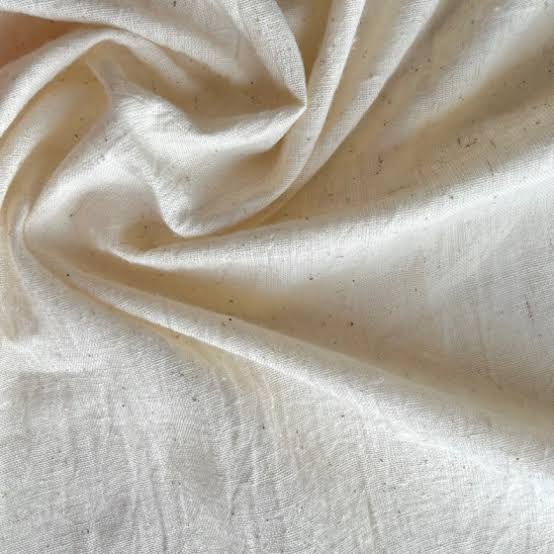
Across Europe, something is shifting. Boutique buyers who spent the 2010s chasing polyester blends for their affordability and wrinkle-resistance are quietly moving back to 100% natural fibres — cotton, linen, and organic khadi. The drivers are regulatory, commercial, and deeply cultural. And for wholesale garment buyers, the window to get ahead of this shift is right now.
Synthetic fabrics — polyester, nylon, acrylic, viscose — were sold as the future of fashion for decades. They were cheap, consistent, easy to dye, and didn't wrinkle in transit. But the hidden costs are now impossible to ignore:
The European Union is moving faster than most buyers realise on textile regulation. Here's what is already happening or imminent:
Coming into full effect 2025–2027, the ESPR will require garments sold in the EU to meet minimum durability, recyclability and chemical safety standards. Cheap synthetic blends with short lifespans will face increased scrutiny — and potential restrictions.
From 2026, all textile products sold in the EU must carry a Digital Product Passport disclosing materials, origin, and environmental impact. Buyers who source traceable natural fibres from certified suppliers will be ahead of this requirement. Those who source from opaque synthetic supply chains will scramble.
France has already implemented EPR for textiles. Germany and the full EU are following. Brands and retailers will be financially responsible for end-of-life collection and recycling. Natural fibres are far easier and cheaper to process under EPR schemes than synthetics.
| Attribute | 100% Cotton | Polyester / Synthetic |
|---|---|---|
| Breathability | Excellent — moisture wicking | Poor — traps heat & odour |
| Biodegradability | Fully biodegradable | 500+ years in landfill |
| Microplastic release | None | Sheds with every wash |
| EU regulatory risk | Low — favoured by ESPR | High — increasing restrictions |
| Certifiability | GOTS, OEKO-TEX, Fair Trade | Limited credible certifications |
| Consumer perception | Premium, natural, sustainable | Cheap, unsustainable |
| Digital Product Passport | Clean supply chain story | Complex, opaque origins |
| Dyeing | Natural & AZO-free options | Requires harsh chemical dyes |
India produces approximately 23% of the world's cotton — more than any other country — and the Rajasthan belt around Jaipur has been weaving, printing and dyeing cotton for centuries. Indian cotton manufacturers are among the most experienced in the world at producing natural-fibre garments that meet EU quality standards.
For European boutique buyers, the commercial case for Indian cotton is compelling:
If you're switching from synthetic to natural fibres, here are the five questions to ask any potential supplier:
Request our fabric data sheets, certifications and sample swatches. We supply boutiques across Germany, the Netherlands and beyond.
Request Swatches & Info →